
How does an insulation mattress help you comply with the energy-saving obligation and immediately save costs?
Vragen? Neem contact met ons op!

Since July 2023, the statutory energy saving obligation (energiebesparingsplicht) has been tightened. Companies that use more than 50,000 kWh of electricity or 25,000 m³ of natural gas annually are legally required to implement all energy-saving measures with a payback period of five years or less.
On top of that comes the reporting obligation (informatieplicht): once every four years, you must report to the Netherlands Enterprise Agency (RVO) which measures you have taken. Enforcement has become stricter, and companies can no longer put this off.
Read more about what exactly the energy saving obligation entails in our blog!
Where Do Installations Often Fall Short?
In most installations, pipelines are neatly fitted with technical insulation. Applying insulation shells or blankets around straight pipes is relatively straightforward and is therefore done as standard. But what about valves and fittings (appendages)? In practice, these often remain unprotected. And that is precisely where an enormous amount of heat is lost.
A valve or flange has an irregular shape and is opened regularly for inspection or maintenance. With traditional rigid insulation, this often means that the insulation must be removed and is subsequently not replaced correctly. Sometimes, the material even disappears entirely after a maintenance shutdown. The result is components that continuously leak heat, causing an energy loss that can be as substantial as several meters of uninsulated piping. This leads to higher energy costs, unnecessary CO2 emissions, and an installation that technically does not perform optimally.
Why Insulation Jackets Make the Difference
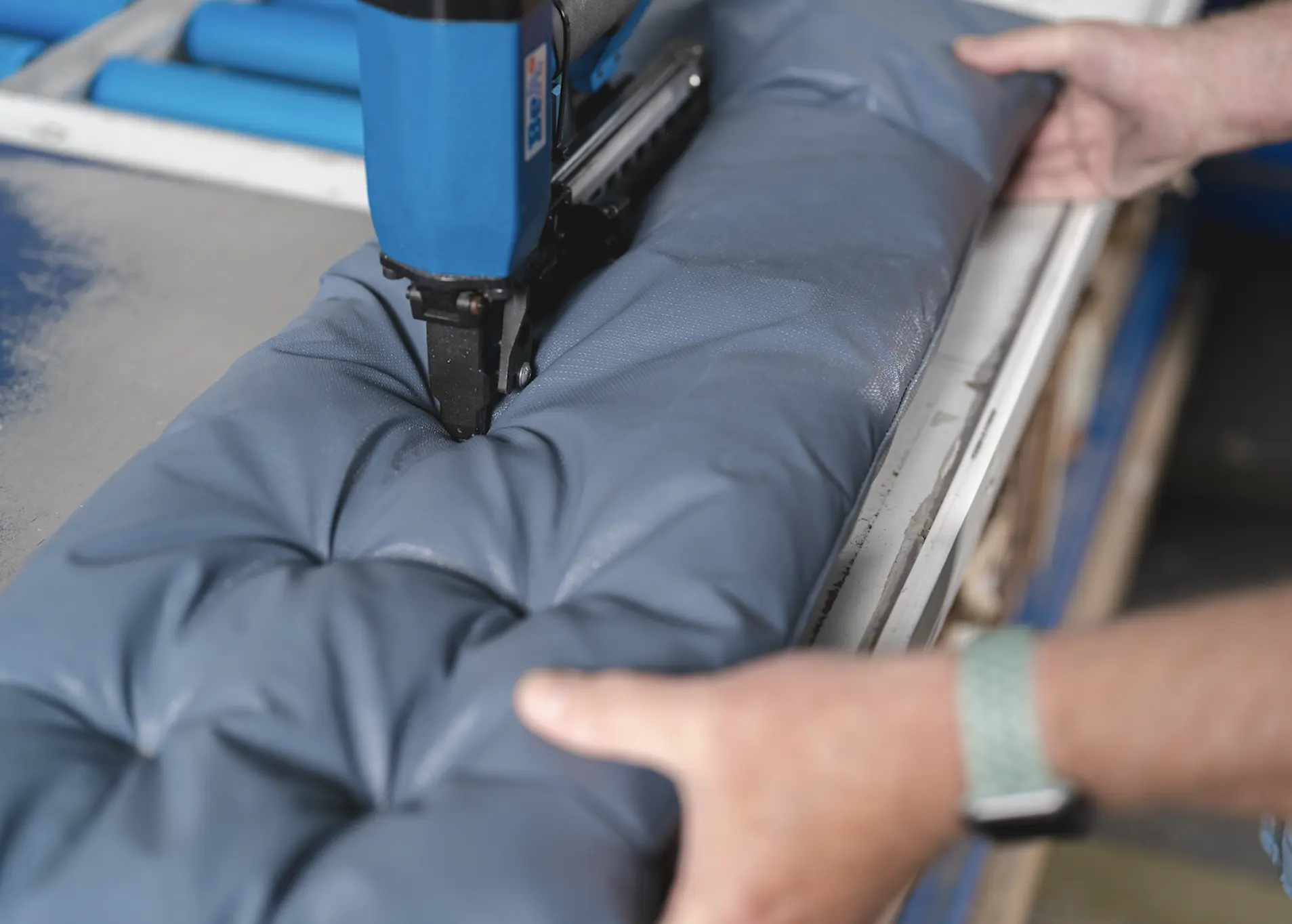
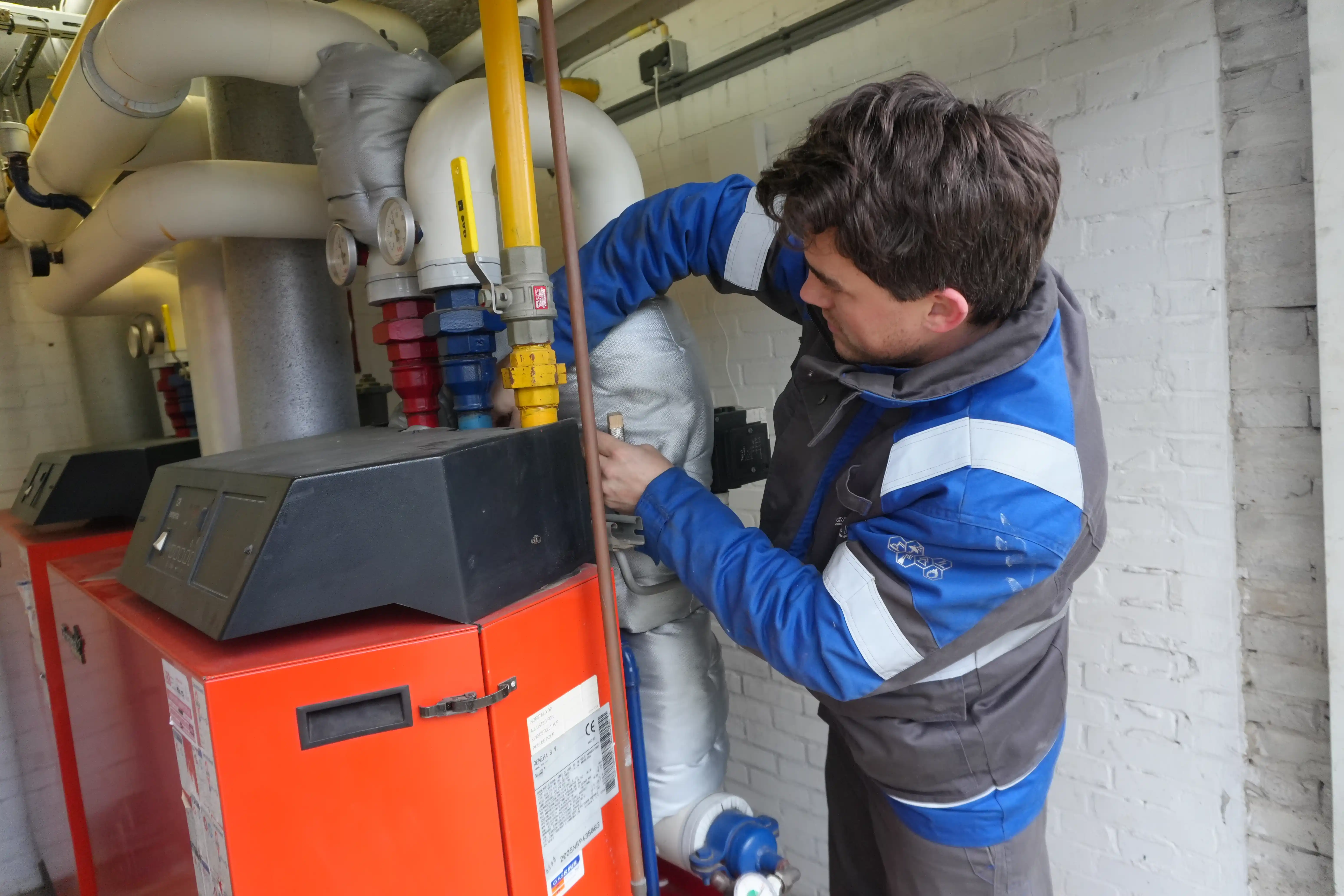
An insulation jacket is a flexible, removable cover that is custom-made to fit a specific component of your installation perfectly. You can think of it as a winter coat: you can easily take it off for maintenance, but as long as it is on, it keeps the heat inside.
The impact is significant: up to an 85% reduction in heat loss. Because they can be reused time and time again, the installation remains optimally insulated even after maintenance. It is for good reason that insulation jackets are included in the RVO's List of Recognized Measures (EML): their payback period is demonstrably shorter than five years.
How This Helps You Comply with the Energy Saving Obligation
With insulation jackets, you essentially kill two birds with one stone. On the one hand, you immediately comply with legal requirements. The energy saving obligation dictates that you must implement all measures that pay for themselves within five years. Insulation jackets fall precisely into this category and are even featured on the RVO's List of Recognized Measures (EML). This means you can officially prove that you have applied an approved and proven effective measure.
On the other hand, you will notice the practical benefits almost immediately. By installing insulation jackets, you consume less energy because the heat that would otherwise be lost through valves and fittings is now retained. This translates directly into a lower energy bill and an installation that runs more efficiently.
And it doesn’t stop there. Less heat loss also means your CO2 emissions drop, contributing to your company’s sustainability targets. Furthermore, you lower the surface temperatures of your installation, creating a safer working environment and reducing the risk of burns for your employees. Because insulation jackets are easily removable and reusable, this effect is preserved — even after maintenance or inspections.
In short: with insulation jackets, you do not just comply with the letter of the law, but you simultaneously create an installation that is more sustainable, safer, and more cost-effective.
Econtras Helps You Move Forward
At Econtras, we manufacture insulation jackets completely to measure: from steam boilers to CHP units (WKK), and from valves to pipelines, extending even to complete turbines. This ensures that you meet all legal requirements and that your investment pays off quickly.
Curious about how much your company can save and how quickly you can comply with the regulations?
Contact us, and we will be happy to calculate it for you.